
General Wainwright Takes Charge in the Philippines
A Daunting Task Confronts the Command

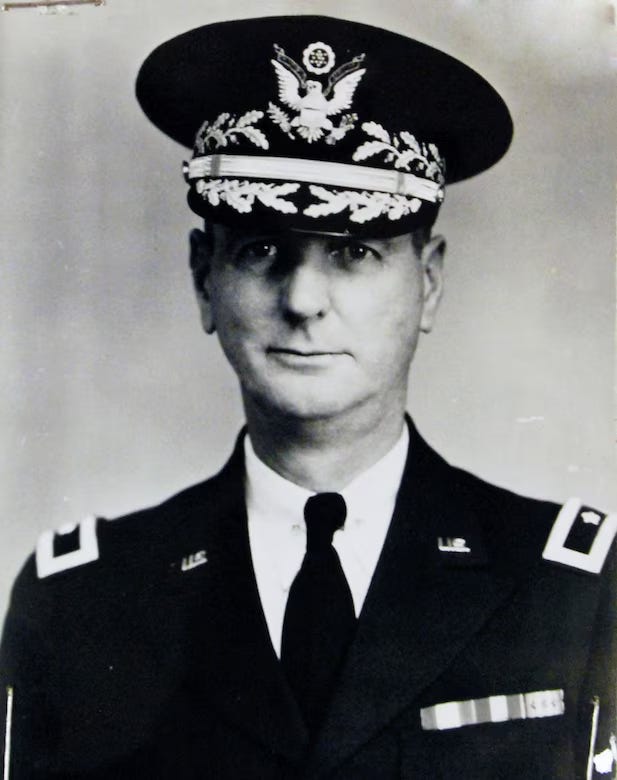
General Jonathan Wainwright (Source: U.S. Department of War).
A New Command for a New Reality
The departure of General Douglas MacArthur made it necessary to reorganize the United States Army command in the Philippines.
U.S. and Filipino forces were spread across four regions: Luzon (including Bataan); Corregidor and the harbor forts in Manila Bay; the Visayas, the central islands of the archipelago; and the southern island of Mindanao. By March 1942, only the Luzon and Corregidor commands remained in communication with headquarters. With General MacArthur now in Australia and unable to exercise direct control, Washington reorganized the remaining forces under a new name, United States Forces in the Philippines (USFIP). General Jonathan Wainwright became Commanding General, responsible for the forces still holding out on Luzon and Corregidor.
Wainwright relocated to Corregidor and assumed control from the Malinta Tunnel headquarters. He retained Major General Edward King as commander of the Luzon Force on Bataan, with Major General Albert Jones’s I Philippine Corps on the west and Major General George Parker’s II Philippine Corps on the east.
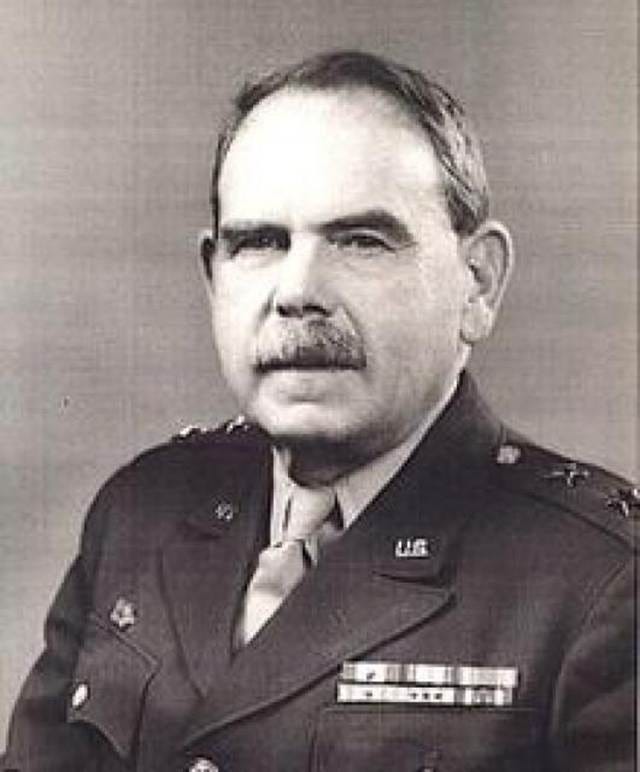
General Edward P. King (Source: Biographs.org).
Uneasy Lies the Task Before King
This new structure placed General King directly in the crosshairs of history. King was a Georgia native who studied law at the University of Georgia before leaving to pursue a military career. He served in World War I as principal assistant to the Chief of Field Artillery and received the Army Distinguished Service Medal for that work. His leadership traits were widely recognized. King graduated from both the Army and Navy War Colleges and later taught at the Command and General Staff School. In 1940 he was assigned to the Philippines. Since January 6, 1942, he had been in charge of the ground forces on Bataan, where the field artillery was particularly effective. In their final meeting, General MacArthur even told General Wainwright to “be sure to give them everything you’ve got with your artillery. That’s the best arm you have.”
Now it was General King’s turn to gird his troops for the widely anticipated battle to come.
A Council of War on Bataan
The stage was set for the leaders MacArthur left behind to assemble their plan. On March 20, just prior to embarking with his senior staff for Corregidor, General Wainwright called together his senior staff in a remarkable meeting. Lt. Felipe Buencamino III was present and wrote a powerful report in his diary that evening.
HQ, Bataan, MIS
Impressive meeting of all Bataan generals held in heart of one of the Bataan mountains. Wainwright, Commander-in-Chief of USFIP, presided. (Name of USAFFE has been changed to USFIP—United States Forces in Philippines).
The Commander-in-Chief announced that henceforth Bataan and Corregidor shall be separate commands.
Wainwright will transfer his headquarters to Corregidor. Major General Edward King will be given command of Bataan.
Old General King was silent. Then he stood up and with tears in his eyes said:
“Somebody is angry with me in Washington. I am going to be given the honor of being the first American general to surrender the American flag.”
No one spoke. All the other generals remained silent.
Then the Chief Quarter Master Officer spoke. He revealed that we had only so many more sacks of rice left after which there was heaven to pray to for rice. So many more tins of sardines and salmon for only a few more weeks. So many more shells for the 1:55’s and 75’s for just so many hours of firing per day. So many more cases of ammunition for infantry troops to last for just so many days.
“Gentlemen,” he said dramatically and coldly, “We are at the end of our rope!”
Nobody could speak. It was defeat staring the generals in the face and their reaction after more than 98 days and nights of ceaseless and courageous fighting against innumerable odds was—silence.
Planes—Japanese planes—filled the sky with their metallic roar but none of the generals could speak in the face of these dramatic revelations.
Then an old general said: “I am the oldest. Let us take to the dug-outs. It would be a calamity if all the generals were to die with one bomb.”
The Japs flew on to Corregidor.
Shocked. Stoic. Silent. The die was cast, and the veteran leaders of the U.S. Forces in the Philippines (USFIP) knew that no matter how valiantly they fought, their starving soldiers were likely to fail. Still, they would fight on. The comportment of the Generals in the waning days of the Battle of Bataan and in the cruel journeys that would follow is an enduring testament to their leadership and mettle.
Next post: March 21 – Wainwright’s Message Bucks Up the Troops
Catch up on earlier posts in the full archive on “The Fighting Filipinos” website.
If you are finding this newsletter valuable, please consider subscribing or sharing with a friend.
Sources:
Horn, Jonathan. The Fate of the Generals. New York: Scribner, 2024, 166–167.
https://biographs.org/edward-p-king
Veteran of the Day U.S. Army Veteran Edward P. King - Aerotech News & Review
March 20, 1942 - The Philippine Diary Project
Edward P. King biography. Major General of the United States Army
© 2026 The Fighting Filipinos. All rights reserved.